
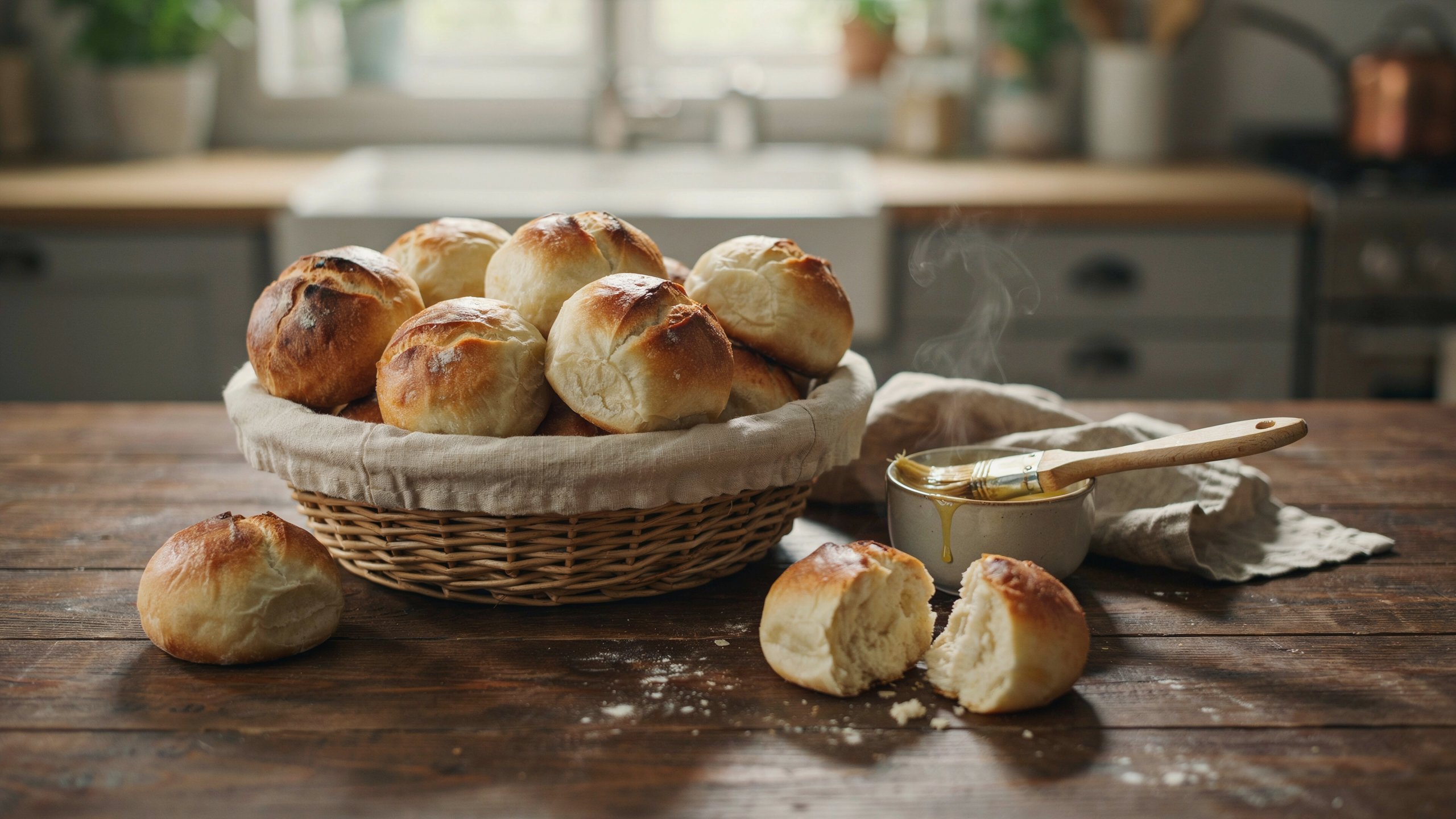
Want dinner rolls that are soft, buttery, and just sweet enough to keep you reaching for a second one? This Golden Corral dinner rolls recipe brings that exact buffet-line experience straight to your own kitchen. I’ve made these more times than I can count, and honestly, the smell alone while they’re baking is half the reason I keep coming back to this recipe.
I’ll admit something: my first batch came out dense and a little tough (rookie mistak I used water that was way too hot and killed the yeast before it even had a chance. A little patience and the right water temperature fixed that fast.
This Golden Corral rolls recipe uses simple pantry staples, nothing fancy, nothing you need a special trip to the store for. Whether you’re baking these for a holiday spread or just craving that soft, pillowy texture on a random Tuesday, I’ve got you covered from start to finish. Grab your mixing bowl, let’s get these rising.
Golden Corral Dinner Rolls Recipe Ingredients
What do you need for these rolls? Yeast, warm milk, butter, sugar, an egg, and flour, that’s the whole foundation of this soft, slightly sweet dough.
Here’s what I grab every time:
- 2¼ teaspoons active dry yeast (1 standard packet)
- ¼ cup warm water (105–115°F, this matters more than you’d think, more on that below)
- 2 teaspoons sugar – for activating the yeast
- 1 cup milk, heated then cooled slightly
- ⅓ cup sugar
- ¼ cup butter, plus 2 tablespoons melted butter for brushing on top after baking
- 1 teaspoon salt
- 1 egg, lightly beaten
- 3½ to 4½ cups bread flour – bread flour gives you that slightly chewier, more structured texture, though all-purpose works in a pinch
That covers the full Golden Corral yeast rolls ingredients list, nothing complicated, mostly stuff you probably already have in your pantry.
A quick but important note: water temperature makes or breaks this recipe. Too hot, and you’ll kill the yeast before it even gets going (I learned this one the hard way; my first batch never rose past “sad and flat”). Too cool, and the yeast won’t activate properly either. Aim for something that feels like a warm bath, not a hot shower.
Some versions of this Golden Corral rolls ingredients list also include a small amount of vital wheat gluten or a portion of whole wheat flour swapped in for extra texture. It’s optional, but if you want a slightly heartier bite, it’s worth trying.
How to Make Golden Corral Dinner Rolls (Step-by-Step)
Making these rolls takes about 20 minutes of active work, plus roughly 1.5–2 hours of rising time. It’s not hard, but it does ask for a little patience.
- Activate the yeast. Sprinkle the yeast over the warm water in a large bowl, then stir in 2 teaspoons of sugar. Let it sit for 5–10 minutes until it turns foamy on top. If it doesn’t foam up, your yeast might be dead, or your water temperature was off. Better to start over now than end up with flat, dense rolls later.
- Warm the milk mixture. Heat the milk, the ¼ cup butter, the ⅓ cup sugar, and the salt together until the butter melts and the sugar dissolves. Let this cool to about 105–115°F before moving on to hot, and it’ll cook the egg you add next.
- Combine the mixtures. Pour the cooled milk mixture into the yeast mixture, then beat in the lightly beaten egg.
- Add the flour gradually. Mix in the flour one cup at a time, forming a soft dough. You’ll likely need most or all of the flour called for. Don’t be surprised if it takes the full 4½ cups to get the right consistency.
- Knead the dough until it’s smooth and elastic, about 6–8 minutes by hand or 4–5 minutes with a stand mixer’s dough hook. The dough should feel soft but not sticky.
- First rise. Place the dough in a greased bowl, cover it, and let it rise in a warm spot until doubled in size, usually 1–2 hours. This step genuinely can’t be rushed; the rise is what gives these rolls their signature fluffiness.
- Shape the rolls. Punch down the dough, divide it into 12 equal pieces, and roll each into a smooth ball. Place them in a greased baking pan, close enough to touch once they rise again.
- Second rise. Cover loosely and let the shaped rolls rise for another 30–40 minutes, until puffy.
- Bake at 375°F for 18–20 minutes, until golden brown on top. Keep an eye on them near the end overbaking dries them out fast.
- Brush with melted butter immediately after baking. This is the step that gives them that classic, glossy, buttery finish everyone associates with the buffet version.
That’s genuinely the whole process. It takes some time, mostly hands-off, but the payoff is worth every minute of waiting.
How to Store Dinner Rolls
Dinner rolls stay fresh at room temperature for 2–3 days, or in the freezer for a few months if you want to keep them longer. Since these are yeast-based, they do dry out faster than you’d expect once exposed to air, so proper storage matters more than you might think.
Here’s what actually works:
- Room temperature: Once fully cooled, store in an airtight container or a sealed plastic bag. They’ll stay soft for 2–3 days this way. I usually keep mine on the counter since we tend to polish off a batch pretty quickly.
- Freezer (baked rolls): Wrap cooled rolls tightly in plastic wrap, then place them in a freezer bag. They’ll keep for up to 2–3 months. Thaw at room temperature, then warm them up before serving.
- Freezer (unbaked dough): You can also freeze the shaped, unbaked rolls before the second rise. This is genuinely a great make-ahead trick. Just thaw them in the fridge overnight, let them come to room temperature, and finish rising, then bake as usual.
Reheating tips: For the best texture, warm rolls in the oven at 300°F for about 5 minutes. If you’re in a hurry, wrap a roll in a damp paper towel and microwave for about 10 seconds. The dampness helps keep them soft instead of turning rubbery or dry. Avoid using very hot water anywhere in the reheating process, since it can affect the texture in ways that make the rolls tougher than they should be.
A make-ahead tip worth knowing: you can prepare the dough all the way through shaping, then cover it loosely and refrigerate it for 2–24 hours before baking. Just let the rolls sit at room temperature for about 30 minutes before popping them in the oven perfect for holiday prep when you don’t want to be juggling dough on the big day.
Dinner Roll Variations to Try
Once you’ve nailed the base recipe, there’s plenty of room to make it your own. Here are a few worth trying.
Easy, Simplified Version
Short on time or intimidated by the multi-step process? A golden corral dinner rolls recipe, easy approach leans on a stand mixer to handle most of the kneading, cutting down on hands-on effort significantly. The steps stay the same, but letting the machine do the heavy lifting genuinely makes this feel a lot less daunting for beginner bakers.
Bread Machine Method
If you’ve got a bread machine sitting around collecting dust, put it to work. For a Golden Corral rolls recipe bread machine version, add your wet ingredients first, then the dry ingredients, and run the dough or mix cycle. Once that’s done, pull the dough out, shape it into rolls by hand, let it do its second rise, and bake as usual in the oven. The machine can’t fully replace the process, but it takes a lot of the guesswork out of kneading and that first rise.
How This Compares to Other Yeast Roll Styles
Curious how this stacks up against other well-known versions? A homemade yeast rolls pioneer woman style, tends to follow a similar basic technique: yeast, milk, butter, flour, though ratios and rise times can vary slightly between recipes. If you’re browsing general yeast rolls recipe or recipe for yeast rolls content online, you’ll notice most trusted versions share this same core method: activate yeast, build a soft dough, let it rise twice, then bake until golden.
Creative Flavor Twists
Once you’re comfortable with the base recipe, a few simple swaps can completely change the personality of these rolls:
- Whole wheat rolls: Substitute about 1¼ cups of whole wheat flour for an equal amount of the bread flour for a heartier, nuttier bite.
- Onion or chive rolls: Stir ⅓ cup of chopped green onion or snipped fresh chives into the milk mixture before combining with the yeast.
- Buttermilk rolls: Swap the milk for buttermilk (using just 1 egg instead of a beaten egg mixture) for a slightly tangier, more tender result.
These twists aren’t traditional to the original Golden Corral version, but they’re a fun way to switch things up once you’ve got the base technique down.
Tips for Perfect Dinner Rolls Every Time
A few small details separate good dinner rolls from great ones. Here’s what I’ve learned along the way, some of it through trial and error, I’d rather you skip.
Get the water temperature right.
This is genuinely the number one mistake people make. Your water should feel warm, like a comfortable bath, around 105–115°F. Too hot, and you’ll kill the yeast before it has a chance to do anything. Too cold, and it won’t activate at all. If you don’t have a thermometer, err on the side of slightly cooler rather than too hot.
Don’t skip the rising time.
I know it’s tempting to rush this part, especially when you can already smell how good these are going to be. But the rise is literally what gives these rolls their fluffy, pillowy texture. Cutting it short leaves you with dense, tough rolls instead of the light, airy ones you’re after.
Knead until the dough is smooth and elastic.
Under-kneading leaves you with a rougher, less cohesive texture. You’ll know it’s ready when you poke it, and it springs back slowly, rather than staying dented or tearing easily.
Brush with butter right out of the oven.
This step is small, but it makes a real difference. Brushing melted butter over the rolls the moment they come out of the oven gives them that classic glossy, buttery finish, and honestly, it just smells incredible while you’re doing it.
Watch the color, not just the clock.
Baking times can vary slightly depending on your oven, so keep an eye on the rolls as they approach the 18-minute mark. You want a golden brown top; overbaking dries them out and makes them harder than they should be.
Use the make-ahead trick for busy days.
If you’re prepping for a big meal, shape the rolls and refrigerate the dough (covered) for up to 24 hours before baking. Let them sit at room temperature for about 30 minutes first, then bake as normal. It’s a lifesaver during the holidays.
Frequently Asked Questions
Can I buy Golden Corral’s rolls, or do I have to make them myself?
Golden Corral rolls are typically only available as part of the restaurant’s buffet; they’re not sold separately or packaged for takeout. So if you’re wondering where to buy Golden Corral rolls, the honest answer is you generally can’t, which is exactly why making a homemade copycat version at home is so worth it.
Does Golden Corral sell their rolls separately?
Not typically, no. Based on what most people report, Golden Corral sell their rolls comes back with the same answer across most locations they’re a buffet item, not something available for individual purchase. Availability can vary a bit by location, so it’s always worth asking your local restaurant directly if you’re curious.
What ingredients are in Golden Corral’s yeast rolls?
The core Golden Corral yeast rolls ingredients are yeast, warm water, milk, sugar, butter, salt, egg, and flour. Nothing exotic, it’s a pretty classic yeast roll base, with the slight sweetness coming from the added sugar in both the yeast-activation step and the milk mixture.
Can I make this recipe in a bread machine?
Yes a golden corral rolls recipe bread machine method works well for handling the mixing and first rise. Just add your ingredients according to your machine’s instructions, run the dough cycle, then shape the rolls by hand and finish baking them in a conventional oven.
How much do Golden Corral’s rolls cost at the buffet?
Since the rolls are included as part of the overall buffet price rather than sold individually, there’s no separate Golden Corral rolls price; they come included with your meal. Buffet pricing itself varies by location and time of visit, so it’s worth checking with your local restaurant for current rates.
What’s the easiest way to make this recipe?
Using a stand mixer for the kneading step cuts down on effort significantly. This Golden Corral dinner rolls recipe’s easy approach still follows the same basic process, but lets the machine handle the more labor-intensive parts, making it much more approachable for beginner bakers.
Final Thoughts
At the end of the day, these rolls prove that the buffet’s most memorable item doesn’t have to stay a mystery. Yeast, warm milk, butter, and a little patience, that’s really all it takes to bring that soft, buttery, slightly sweet flavor into your own kitchen. No special trip, no fancy equipment, just a good rise and the right oven temperature.
What I appreciate most about this recipe is how forgiving it is once you understand the basics. Use a stand mixer to save time, try the bread machine method if you’ve got one collecting dust, or experiment with add-ins like chives or whole wheat flour once you’ve got the base technique down. The core process remains simple, no matter which direction you take it.
So warm up that water (not too hot, remember), activate your yeast, and let this dough do its thing. Once you’ve pulled a fresh batch of these rolls out of the oven and brushed them with butter, you’ll understand exactly why people keep going back for seconds at the buffet.
If you give this a try, I’d genuinely love to hear how your rolls turned out and whether you tried any of the flavor twists along the way.
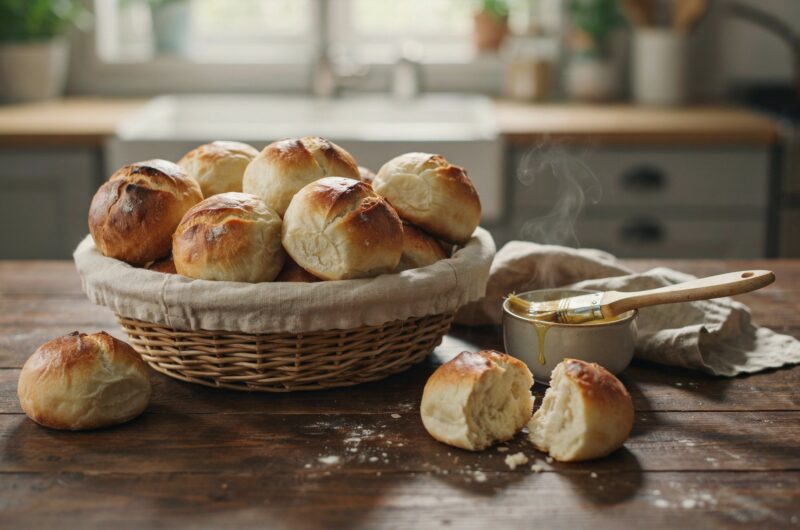
Golden Corral Dinner Rolls Recipe (Easy Copycat, Soft & Buttery)
Course: Side Dishes4
servings30
minutes40
minutes300
kcalIngredients
2¼ teaspoons active dry yeast (1 standard packet)
¼ cup warm water (105–115°F, this matters more than you’d think, more on that below)
2 teaspoons sugar – for activating the yeast
1 cup milk, heated then cooled slightly
⅓ cup sugar
¼ cup butter, plus 2 tablespoons melted butter for brushing on top after baking
1 teaspoon salt
1 egg, lightly beaten
3½ to 4½ cups bread flour – bread flour gives you that slightly chewier, more structured texture, though all-purpose works in a pinch
Directions
- Activate the yeast. Sprinkle the yeast over the warm water in a large bowl, then stir in 2 teaspoons of sugar. Let it sit for 5–10 minutes until it turns foamy on top. If it doesn’t foam up, your yeast might be dead, or your water temperature was off. Better to start over now than end up with flat, dense rolls later.
- Warm the milk mixture. Heat the milk, the ¼ cup butter, the ⅓ cup sugar, and the salt together until the butter melts and the sugar dissolves. Let this cool to about 105–115°F before moving on to hot, and it’ll cook the egg you add next.
- Combine the mixtures. Pour the cooled milk mixture into the yeast mixture, then beat in the lightly beaten egg.
- Add the flour gradually. Mix in the flour one cup at a time, forming a soft dough. You’ll likely need most or all of the flour called for. Don’t be surprised if it takes the full 4½ cups to get the right consistency.
- Knead the dough until it’s smooth and elastic, about 6–8 minutes by hand or 4–5 minutes with a stand mixer’s dough hook. The dough should feel soft but not sticky.
- First rise. Place the dough in a greased bowl, cover it, and let it rise in a warm spot until doubled in size, usually 1–2 hours. This step genuinely can’t be rushed; the rise is what gives these rolls their signature fluffiness.
- Shape the rolls. Punch down the dough, divide it into 12 equal pieces, and roll each into a smooth ball. Place them in a greased baking pan, close enough to touch once they rise again.
- Second rise. Cover loosely and let the shaped rolls rise for another 30–40 minutes, until puffy.
- Bake at 375°F for 18–20 minutes, until golden brown on top. Keep an eye on them near the end overbaking dries them out fast.
- Brush with melted butter immediately after baking. This is the step that gives them that classic, glossy, buttery finish everyone associates with the buffet version.